
Barndominium Exterior: Siding, Roofing & First Impressions for Resale
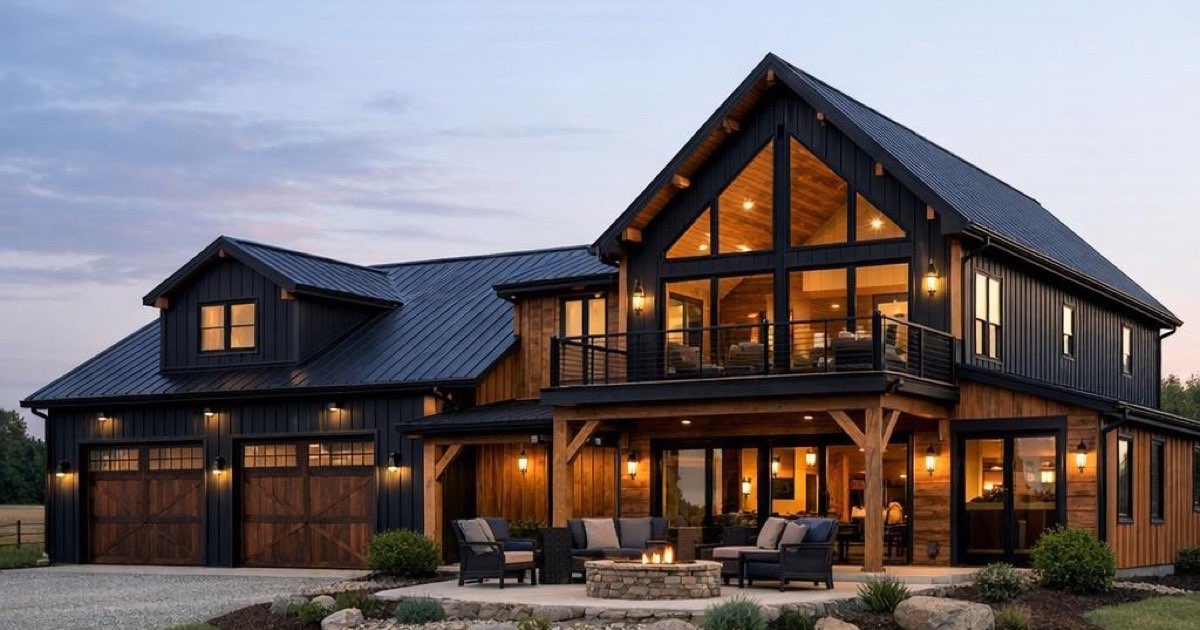
Your barndominium exterior: siding, roofing, and finish choices are what buyers, appraisers, and lenders judge first. The exterior of your barndominium does three things: it protects the structure, it defines your curb appeal, and it signals to appraisers and lenders whether this is a home or an outbuilding. Barndominiums already carry extra scrutiny in some lending markets — the last thing you want is an exterior that reads “agricultural storage” when you’ve built a 2,400 sq ft home inside.
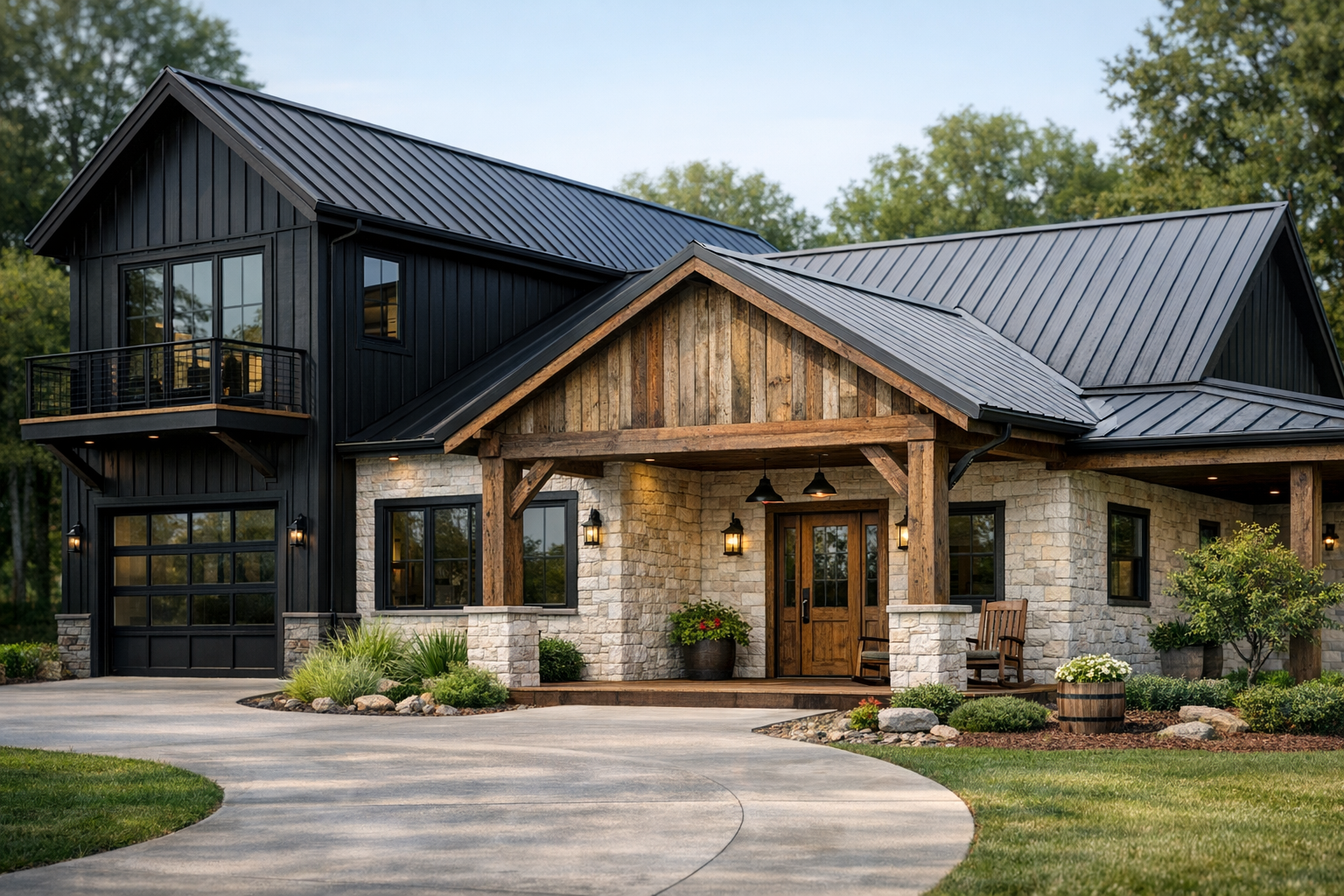
This guide covers the main choices you’ll make on the outside of your barndominium: metal siding, roofing profiles, alternative cladding options, and exterior finish details that make the biggest difference.
Metal Siding: Profiles, Gauges, and Colors
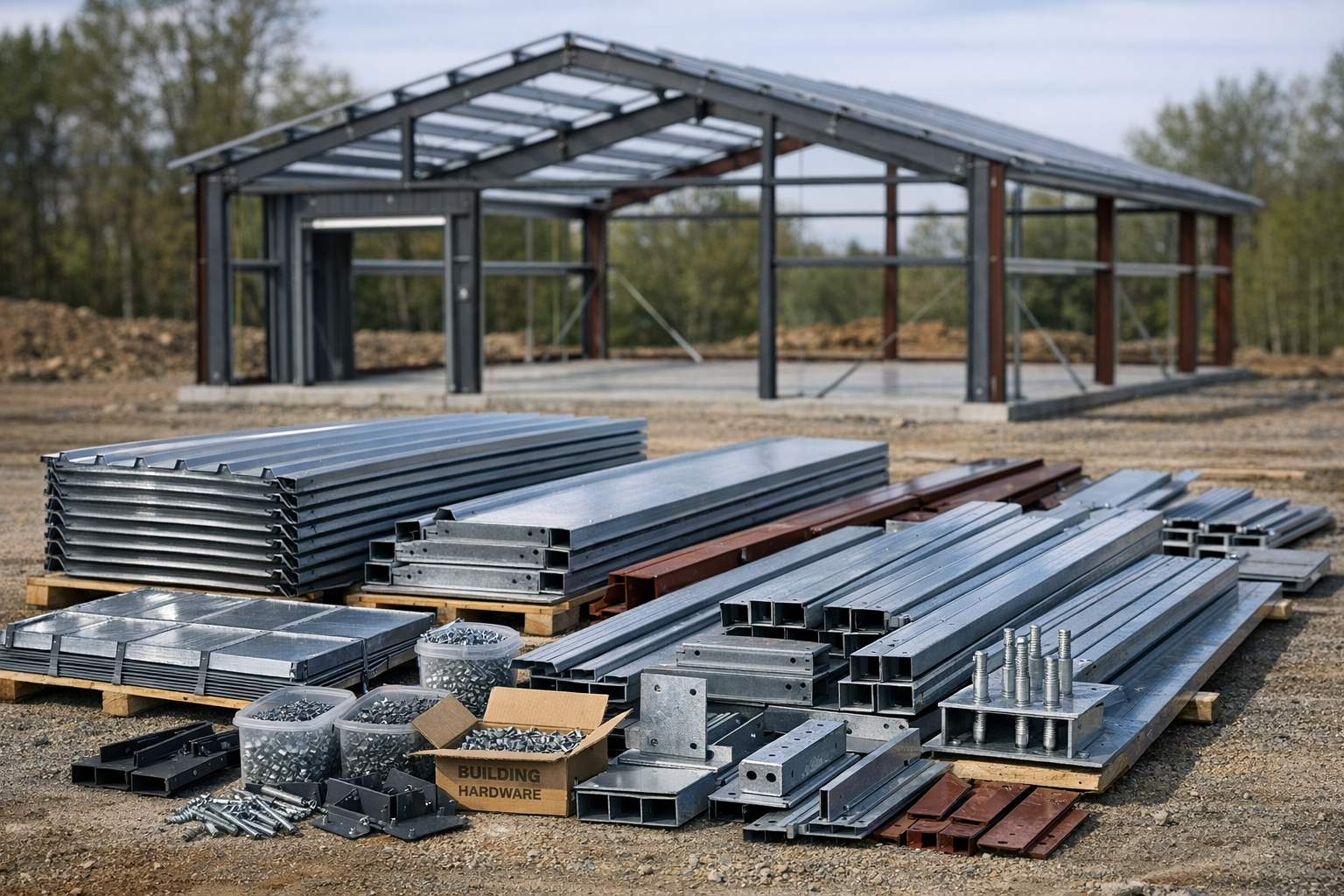
Most barndominiums use metal siding panels — it’s what makes them barndominiums, and it’s the foundation of any barndominium exterior: siding, roofing, and trim all key off this one material. But there’s more variation within “metal siding” than most buyers realize.
Standing Seam vs. R-Panel vs. PBR Panel
The three most common metal siding profiles used on barndominiums are:
- R-Panel (or PBR Panel): The most common and least expensive option. Exposed fasteners, 36″ coverage width, easily available through most steel kit suppliers and local metal fabricators. This is the standard agricultural/commercial look. Cost: $1.50–$2.50 per sq ft installed.
- Standing Seam: Hidden fasteners, cleaner modern look, superior weather performance, and better long-term paint adhesion. Significantly more expensive but widely used on higher-end barndominiums. Cost: $4.00–$8.00 per sq ft installed.
- Corrugated Panel: The classic barn look — rounded ridges, exposed fasteners. Less common on new barndominiums but available and less expensive than standing seam. Cost: $1.50–$2.50 per sq ft installed.
Steel Gauge for Siding
For residential barndominiums, 26-gauge steel is the standard for both walls and roofing. Some kit packages use 29-gauge, which is thinner and less durable — it dents more easily and the paint system is typically lower quality. Spending a bit more for 26-gauge is worth it on a home you plan to live in for decades.
Choosing a Color
Metal building colors are applied as a baked-on PVDF (Kynar) or SMP paint system. PVDF coatings offer better UV resistance and color retention over time. Popular color combinations for residential barndominiums include:
- Charcoal/black body with white or cream trim
- Galvalume (natural metallic) roof with painted walls
- Muted earth tones — tan, clay, or sage — to blend with rural settings
- Classic red barn with white trim for a traditional agricultural look
Roofing Options
Beyond the walls, your barndominium exterior: siding, roofing, and trim all have to work together — and your roof is the most critical weatherproofing element of your barndominium. Here are the main options:
Metal Roofing (Most Common)
Metal roofing is the default choice for barndominiums and for good reason — it’s durable, low maintenance, and consistent with the building’s overall aesthetic. The same profile choices apply: R-panel for budget, standing seam for premium.
A properly installed metal roof with a Galvalume or PVDF-coated finish can last 40–70 years with minimal maintenance. This is a significant long-term advantage over asphalt shingles, which typically need replacement every 20–30 years.
Asphalt Shingles (For a More Residential Look)
Some barndominium builders opt for architectural asphalt shingles on the roof, particularly if they’re trying to achieve a more traditional home appearance or if the structure includes a pitched gable design. Shingles are less expensive to install and can help with appraiser perception in some markets.
Cost: $4.00–$7.00 per sq ft installed for 30-year architectural shingles.
Roof Pitch Considerations
Barndominium roofs are typically low-slope — 1:12 to 4:12 pitch is common with metal roofing. If you want a steeper pitch for a more residential look (or better snow shedding in colder climates), plan this in your kit design — it affects your wall height, framing, and overall cost.
Breaking Up the Metal: Mixed Exterior Cladding
One of the biggest design moves you can make to elevate your barndominium’s curb appeal is mixing metal siding with other cladding materials. This is increasingly popular and makes a dramatic difference in how the home reads from the road.
Board and Batten
Board and batten wood or fiber cement siding on the gable ends or a portion of the front façade adds warmth and residential character. James Hardie’s HardiePanel in a board and batten configuration is a popular choice — it’s durable, low maintenance, and looks great against metal panels. Available at Home Depot and Lowe’s.
Stone or Brick Veneer
A stone or brick veneer on the base of the exterior wall (called a wainscot) grounds the building visually and gives it a permanent, built-to-last appearance. This is particularly effective on the front elevation and entry areas. Manufactured stone veneer (MSV) products from companies like Eldorado Stone or Versetta Stone are available at major home improvement stores and are much easier to install than natural stone.
Cedar or Wood Accents
Tongue-and-groove cedar or stained wood accents on a covered front porch, entry gable, or garage surround add warmth and texture. Even a small amount of wood detailing can transform the exterior from industrial to welcoming.
Exterior Details That Make a Big Difference
Beyond your primary cladding, a few key details separate a polished barndominium exterior from a plain metal box:
- Covered front porch: A generous covered porch (8–10 ft deep minimum) is the single most effective upgrade for barndominium curb appeal. It creates shade, defines the entry, and makes the exterior feel more like a home.
- Wainscot panels: Using a contrasting panel color or material on the lower 3–4 feet of the wall breaks up the exterior and adds visual interest.
- Cupolas and ventilators: A cupola or two on the ridge of the roof is a classic barn detail that’s easy to add and makes a big aesthetic statement.
- Oversized entry doors: A pair of 8-foot tall entry doors — whether glass-lite steel or a reclaimed wood design — makes a statement at the front of the house that signals “home,” not “building.”
- Exterior lighting: Wall-mount barn lights (gooseneck or dome style) are affordable, weather-resistant, and perfectly suited to the barndominium aesthetic. Available at Home Depot, Lowe’s, and Amazon.
- Concrete or gravel apron: A clean concrete or decomposed granite apron in front of the building gives it a finished, intentional look.
What to Budget for Barndominium Exterior Finishes
Here’s a realistic range for the barndominium exterior: siding, roofing, and finish items covered above.
| Item | Budget Range | Premium Range |
|---|---|---|
| Metal siding (R-panel) | $1.50–$2.50/sq ft | — |
| Metal siding (standing seam) | — | $4.00–$8.00/sq ft |
| Metal roofing | $3.00–$5.00/sq ft | $6.00–$10.00/sq ft |
| Board & batten accent (fiber cement) | $4.00–$7.00/sq ft | $8.00–$12.00/sq ft |
| Stone veneer accent | $12.00–$20.00/sq ft | $25.00–$40.00/sq ft |
| Covered front porch (framed) | $8,000–$15,000 | $20,000–$35,000 |
| Exterior lighting package | $500–$1,500 | $2,000–$5,000 |
Bottom Line
Getting your barndominium exterior: siding, roofing, and finish details right is what separates a home from an outbuilding at resale time. Your barndominium’s exterior doesn’t have to look like a commercial storage facility. With the right panel profile, a few accent materials, a covered porch, and some thoughtful detailing, a metal building can have genuine curb appeal and strong resale value.
The most impactful upgrades, in order: (1) a covered front porch, (2) mixed cladding on the front elevation, (3) standing seam over R-panel if budget allows, and (4) exterior lighting. These four things alone will dramatically change how your barndominium presents to guests, appraisers, and future buyers.
Whatever direction you take your barndominium exterior: siding, roofing, and finish choices, want help planning your full build budget? Try our free Barndominium Cost Calculator.