
Barndominium cost per square foot in Arkansas depends on a few local facts most national guides skip: whether your parcel is inside Hot Springs or in unincorporated Garland County, what the Department of Health’s septic review allows on your soil, how Arkansas’s owner exemptions apply to a new home, and how your electric co-op handles a line extension. This guide uses Hot Springs and Garland County as the worked example. There is no verified statewide barndominium price survey, so the per-square-foot tables below are illustrative. The rules, fees and published prices are sourced and dated.
Quick Answer: What Published Prices Actually Cover
We did not find an Arkansas-based builder that publishes turnkey per-square-foot pricing. Two national kit sellers that ship to Arkansas publish starting prices:
| Seller (published, October 2026) | What the price covers | Listed range |
|---|---|---|
| MyBarndoPlans (Frisco, TX) | Kit packages; red-iron steel frame kits | About $18–$41 per sq ft for kits; red-iron kits from $26,660 |
| BarndominiumPlans.com | Kit packages | About $35,000 to $102,000; the seller suggests a finished budget of roughly 2.5 to 3.5 times the kit price |
Listing a seller is not an endorsement. Freight, foundation, erection and finish work are generally extra, so use kit prices to check a shell quote and price everything else with local bids.
| Build Type | Illustrative Assumption per Sq Ft | Example 2,000 sq ft Total | Example 2,400 sq ft (40×60) Total |
|---|---|---|---|
| Shell only (kit + erection) | $25–$55 | $50,000–$110,000 | $60,000–$132,000 |
| Illustrative owner-builder scenario | $85–$130 | $170,000–$260,000 | $204,000–$312,000 |
| Illustrative full-service scenario | $100–$160 | $200,000–$320,000 | $240,000–$384,000 |
| Higher-cost illustrative scenario | $160–$200+ | $320,000–$400,000+ | $384,000–$480,000+ |
These per-square-foot figures are assumptions that show the multiplication, not verified Arkansas prices. Replace them with dated bids for your plans. Finished-building examples exclude land, site work, long utility runs, wells and septic. Use the national cost guide’s scope and budget method when comparing quotes.
Regional Site and Quote Checks in Arkansas
| Area | Question before budgeting |
|---|---|
| Northwest Arkansas | Ask contractors serving the parcel about current availability, travel charges and bid validity. |
| Hot Springs / Garland County | Confirm city versus county jurisdiction, grading, rock excavation, access and utility scope. |
| Delta / eastern Arkansas | Evaluate drainage, floodplain status and septic suitability even when the parcel appears level. |
| Ozark and other sloped parcels | Price access, excavation, retaining work and foundation design for the actual site. |
Hot Springs vs. Garland County: Who Approves What
- Inside Hot Springs: building permits go through the city’s Permits & Inspections office (501-321-6845). Fees are based on project valuation, so ask for the current schedule with your plans in hand. The city also requires a stormwater permit for qualifying land disturbance.
- Unincorporated Garland County, address first: the county’s addressing office (501-767-3911) asks that no development begin before you contact it, and a floodplain development permit is required before an address is issued.
- County stormwater: Garland County requires a stormwater permit when a project disturbs one to five acres (501-622-3600).
- Building permit and occupancy: Garland County states that it does not issue certificates of occupancy. We could not confirm whether the county requires a general building permit for a rural home, so ask the county directly and get the answer in writing. Your lender and insurer may still want inspection records.
Septic: Department of Health Permit and Fees
- The Arkansas Department of Health’s onsite wastewater rule (effective September 5, 2024) governs private septic systems. For most projects, a Designated Representative performs the soil evaluation or percolation test and designs the system, and the Health Department or its Authorized Agent must approve the permit before construction begins. ADH says a permit exemption may apply to a single residence on 10 or more acres, but only when every part of the sewage system is more than 200 feet from every property line, including roads. The exemption covers the permit only: the system still has to meet state requirements and can’t create a nuisance. Ask your local health unit for an exemption letter before you rely on it.
- ADH charges a plan review fee based on the size of the residential structure: 1,500 sq ft or less, $30; more than 1,500 up to 2,000 sq ft, $45; more than 2,000 up to 3,000 sq ft, $90; more than 3,000 up to 4,000 sq ft, $120; more than 4,000 sq ft, $150. Garages, carports, porches and similar auxiliary areas aren’t counted. This is the state’s review fee, not the cost of the septic system. The Designated Representative’s soil evaluation and design charges are separate.
- A construction permit is valid for one year, and the system must be kept 100 feet from a private well. Lay out the well and septic together before you place the building.
Private Wells
In Arkansas a water well must be drilled by a licensed water well contractor, who must carry a $20,000 bond and file a well construction report with the state within 90 days of completion. The state publishes no drilling cost, so get the per-foot price, casing, pump and pressure-tank costs in writing.
Codes and Design Criteria
- The Arkansas Fire Prevention Code, which includes a residential volume based on the 2021 International Residential Code, applies statewide, including rural areas. Enforcement is left to local jurisdictions, so where nobody inspects, the code still applies to your design.
- The state energy code is the 2009 IECC with Arkansas amendments, mandatory statewide since 2015. Most of the state is Climate Zone 3, where the prescriptive minimums include R-30 ceiling and R-13 wall insulation.
- Frost depth and design wind speed are set locally. As a reference point, Little Rock lists a 12-inch frost line and 115 mph design wind; Garland County’s values were not published, so confirm them before the foundation and kit are engineered.
- Arkansas’s state safe-room rebate program ended in 2016. Check with county emergency management about any current mitigation grants before buying a shelter.
Building It Yourself in Arkansas
- General building: you do not need a residential builder license to build your own residence, limited to one house per year (Ark. Code 17-25-513).
- Electrical: state law exempts electrical work on your own primary residence (Ark. Code 17-28-102). Local rules and inspections still apply where they exist.
- Plumbing: a homeowner may do plumbing in a home they own and occupy (Ark. Code 17-38-302), unless a local ordinance says otherwise.
- HVAC: the homeowner exemption is written for an existing home, so it may not cover new construction. Confirm with the state HVAC/R licensing section before planning to install your own system.
Bringing Power to a Rural Parcel
First Electric Cooperative serves much of central Arkansas, including parts of Garland County; other parts are served by Entergy, so check which utility covers your parcel first. First Electric lists a $10 membership fee, a $25 connection fee and a $50 trip charge. Members may be asked to contribute toward the cost of a line extension, which the co-op calculates for each site, and service is energized only after the required electrical inspection or certification.
Illustrative Size Calculations — Not Verified Market Prices
| Size | Illustrative Owner-Builder | Illustrative Full-Service | Higher-Cost Illustration |
|---|---|---|---|
| 1,500 sq ft | $127,500–$195,000 | $150,000–$240,000 | $240,000–$300,000+ |
| 2,000 sq ft | $170,000–$260,000 | $200,000–$320,000 | $320,000–$400,000+ |
| 2,400 sq ft (40×60) | $204,000–$312,000 | $240,000–$384,000 | $384,000–$480,000+ |
| 3,000 sq ft | $255,000–$390,000 | $300,000–$480,000 | $480,000–$600,000+ |
These totals multiply the assumptions in the first table by area. Land, site work, well, septic and power extension must be added separately.
Bottom Line for Arkansas Builders
Start by confirming whether your parcel is in Hot Springs or the county. In the county, call addressing and floodplain before any dirt moves, and ask in writing whether a building permit applies. Have a Designated Representative evaluate the soil before you assume a septic type, confirm local frost depth and wind speed, and budget licensed HVAC work even if you plan to do your own wiring and plumbing. Get at least three comparable written bids and keep a defined contingency.
Turn these numbers into your own budget
The $29 Owner-Builder Bundle on Gumroad gives you a budget worksheet to price your own build line by line, a planning checklist, question sheets for hiring subs, and our 88-point electrical, plumbing and HVAC rough-in checklist for steel buildings. Just want the checklist? It starts at $14.
Related Guides on BarndoBible
- How Much Does a Barndominium Cost? (National Guide)
- Barndominium Cost Calculator
- Buying Land for a Barndominium
- Barndominium Rough-In Checklist
Sources and Review Scope
- Hot Springs Permits & Inspections
- Garland County Addressing, Floodplain and Stormwater Permit Requirements
- Arkansas Department of Health onsite wastewater program, Onsite Wastewater Rule and fee schedule
- Arkansas water well construction: information for the public
- 2021 Arkansas Fire Prevention Code update and U.S. DOE energy code status: Arkansas
- Arkansas residential builder law (17-25-513), electrical statutes (17-28-102), plumbing law (17-38-302) and HVAC/R licensing law
- First Electric Cooperative: set up new service and service area
- MyBarndoPlans kits and BarndominiumPlans.com Arkansas kits
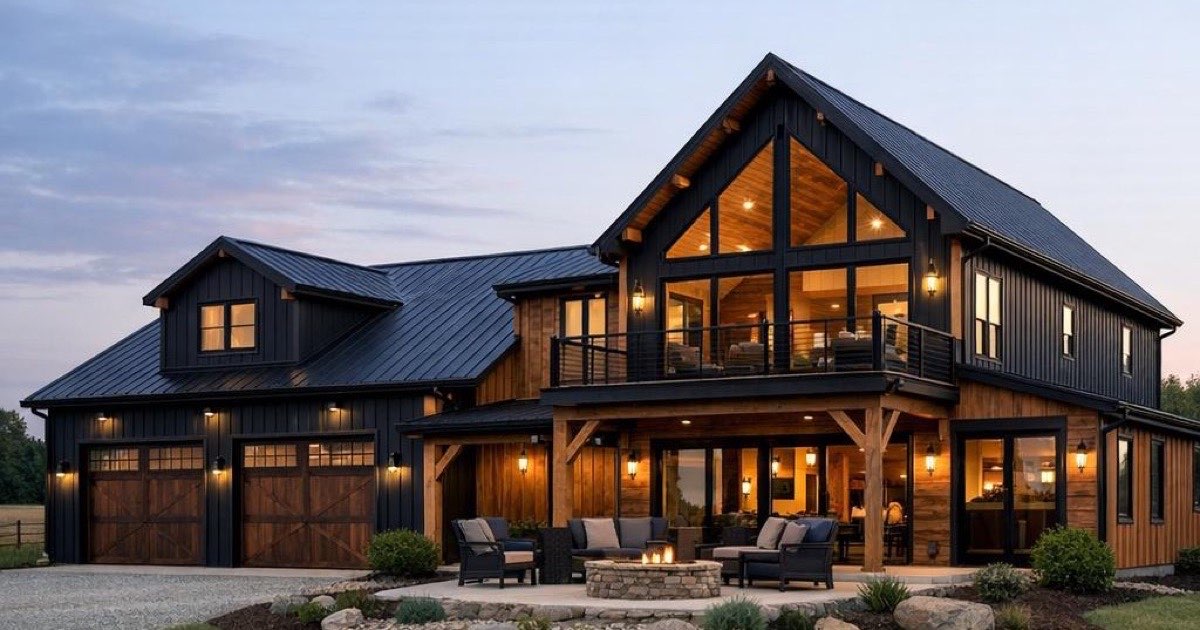
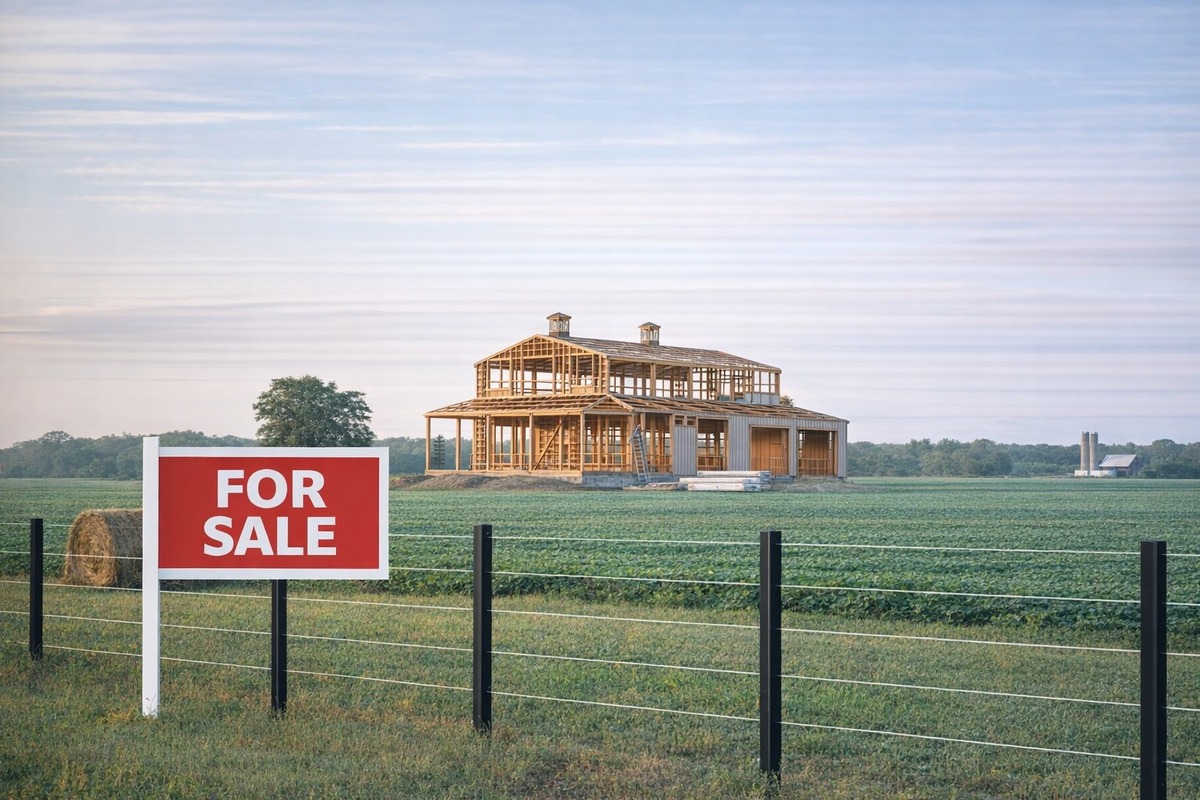
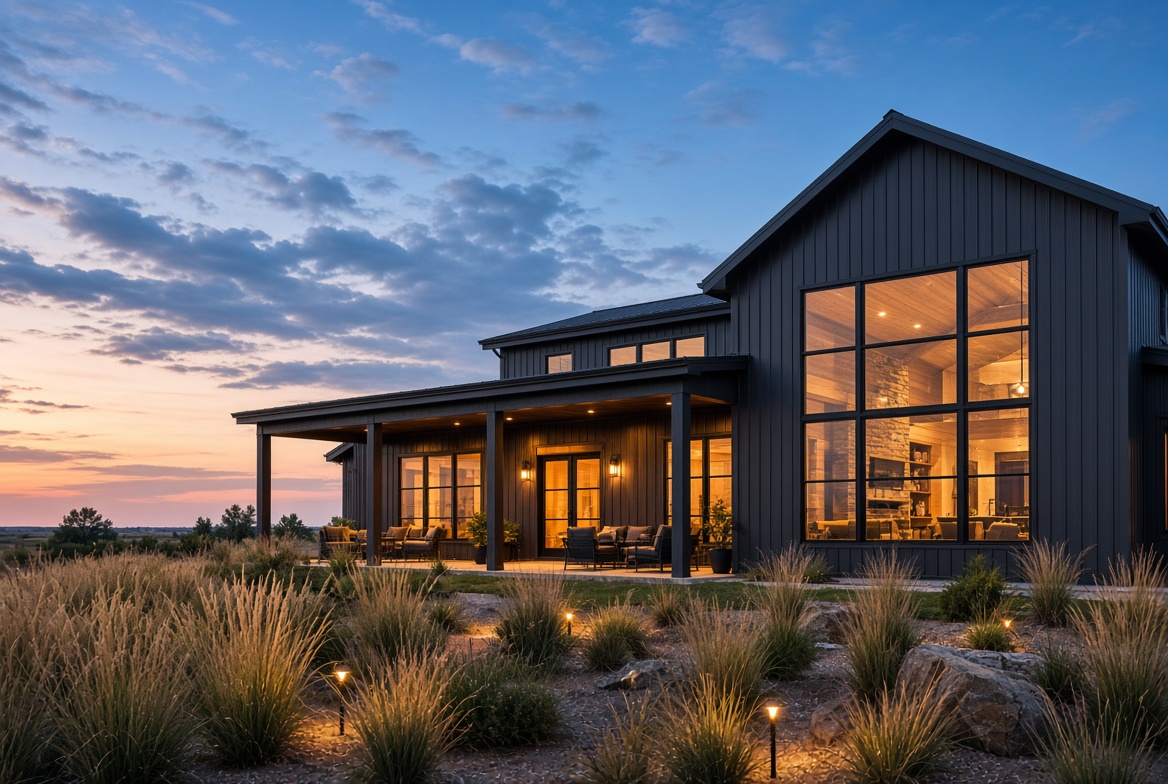
Images on this page are illustrative and do not show a specific local project.
Last reviewed: November 21, 2026. Onsite-wastewater rules and fees, Garland County permitting and the state code were checked against the sources above on that date; published prices were last checked November 18, 2026. The per-square-foot tables are illustrative assumptions. Whether Garland County requires a building permit for a rural home was not confirmed; ask the county.